
Binding holds pages together and also affects opening, strength and appearance. A catalogue used every day has different needs from a booklet handed out at an event.
Why binding matters
The right choice protects the pages, makes reading more comfortable and gives the product an appearance suited to its use. Before requesting a quote, clarify quantity, finished size, page count, paper and delivery date.
Perfect binding
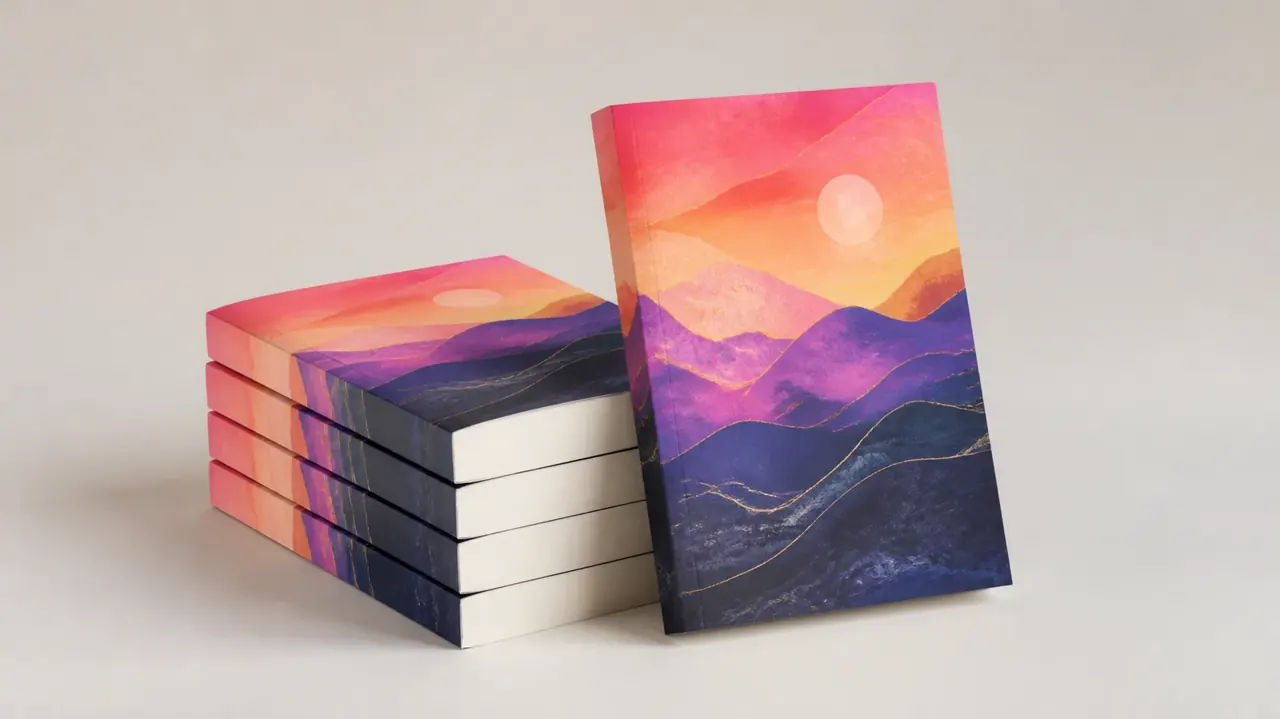
The sheets are gathered, the spine is milled and hot-glued into a flexible printed cover. It suits books, manuals and catalogues from around 40 pages upwards when a flat, printable spine is needed.
Thread-sewn binding
Pages are arranged in folded sections called signatures and sewn with thread before the cover is applied. The book withstands repeated opening better and opens more naturally.
Saddle stitch
Sheets are folded and secured with two staples along the spine. It is a quick, economical solution for magazines, programmes and booklets with a limited page count.
Hardcover
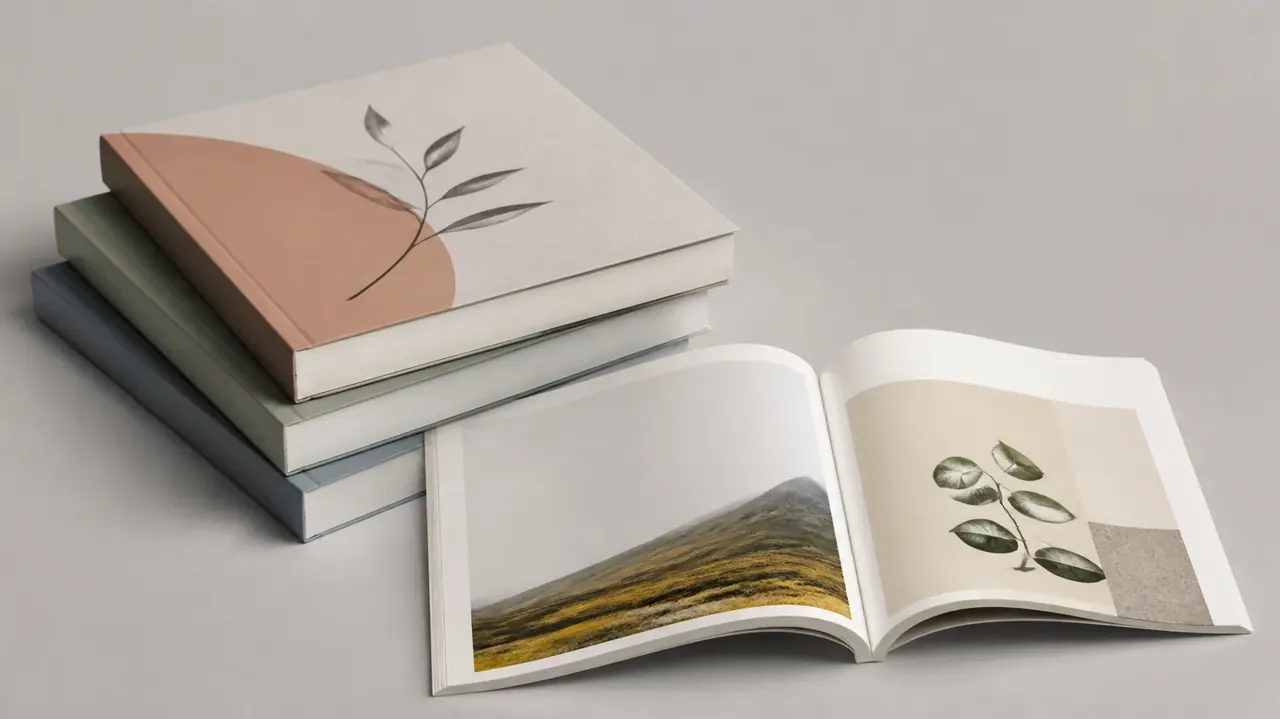
The book block is attached to a rigid cover. Corners, endpapers and structure provide protection and a substantial presentation suited to books intended to last.
How to choose
- Few pages and wide distribution: saddle stitch.
- Book or catalogue with a printable spine: perfect binding.
- Frequent use: thread sewing.
- Premium presentation and long life: hardcover.