

Photos are for illustration only. The product you request will be quoted and produced according to the specifications you provide.
We are selecting printers for this product. You can still send your request: as soon as a supplier joins we send it to them and you receive the quotes. Meanwhile we look for one.
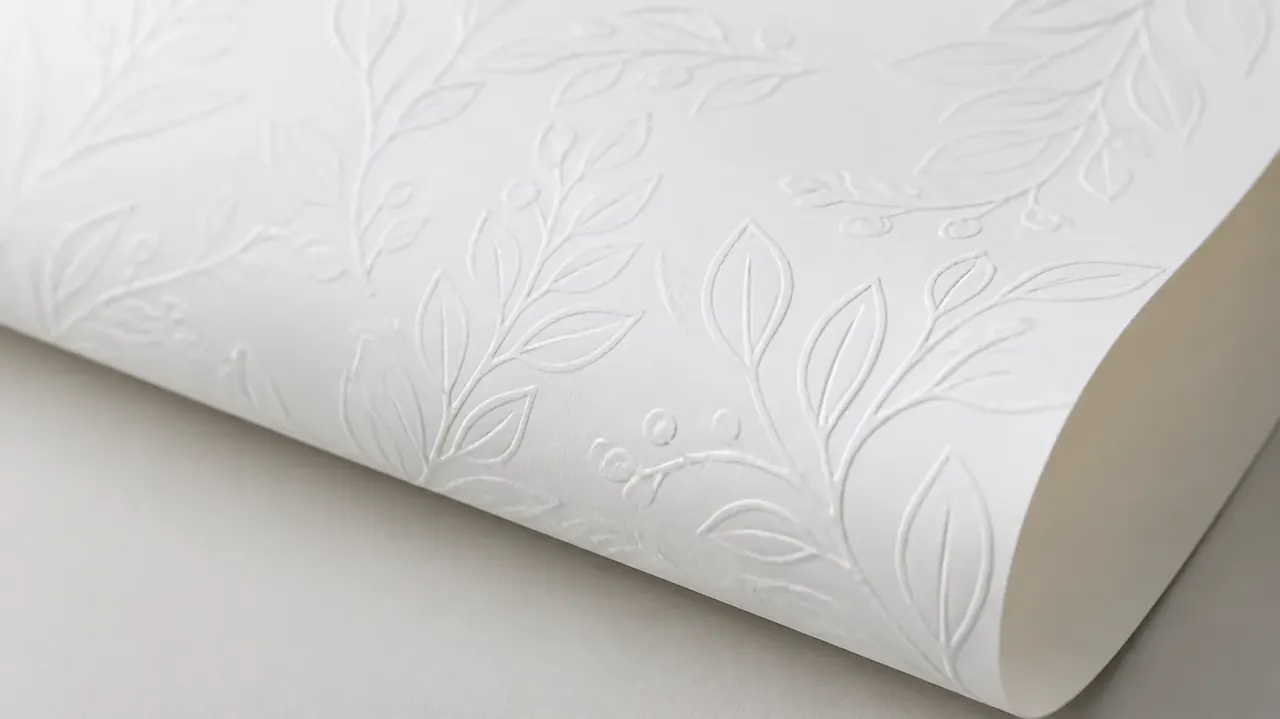
Trade embossing is the process of shaping paper between a male and a female die to create raised (embossed) or recessed (debossed) areas. It adds tactile and visual value to logos and decorations, including blind embossing with no colour, and is carried out by finishing specialists for printers and carton makers.
- Types: embossing, debossing, blind or registered
- Dies: magnesium, brass, multi-level
- Combinable: with foil or print
- Stocks: papers and boards 200–700 g/m²
- Effects: multi-level and sculpted
Free for buyers: receive quotes from printers and make your own choice.
Sizes, materials and finishes
| Sizes | Sheets from 35×50 to 70×100 cm; work on individual items such as covers and cartons |
|---|---|
| Papers and materials | Natural papers, embossed papers, cotton, boards and solid boards up to approx. 700 g/m² |
| Printing | Blind embossing, registered to print, combined with hot foil stamping |
| Finishes | Single-level, multi-level or sculpted dies, debossing, combination with varnishes |
| Quantity | From a few hundred to hundreds of thousands of pieces |
When to choose it
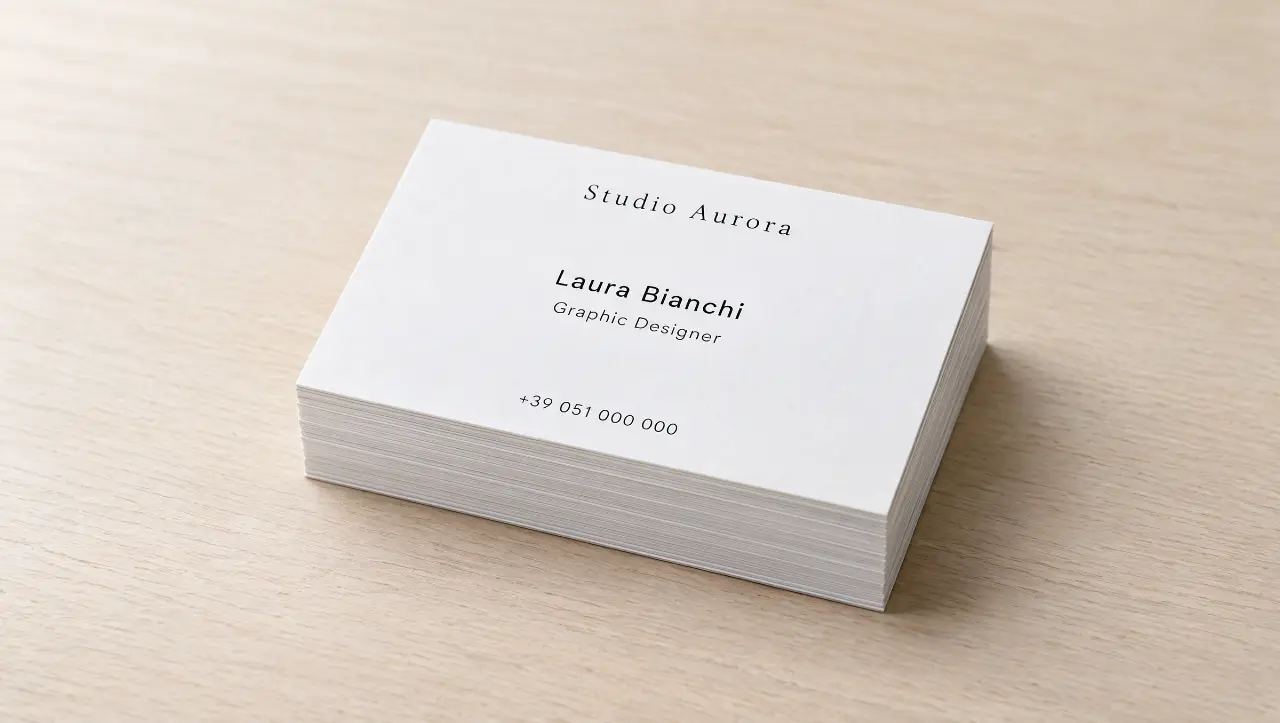
- Business cards and letterheads
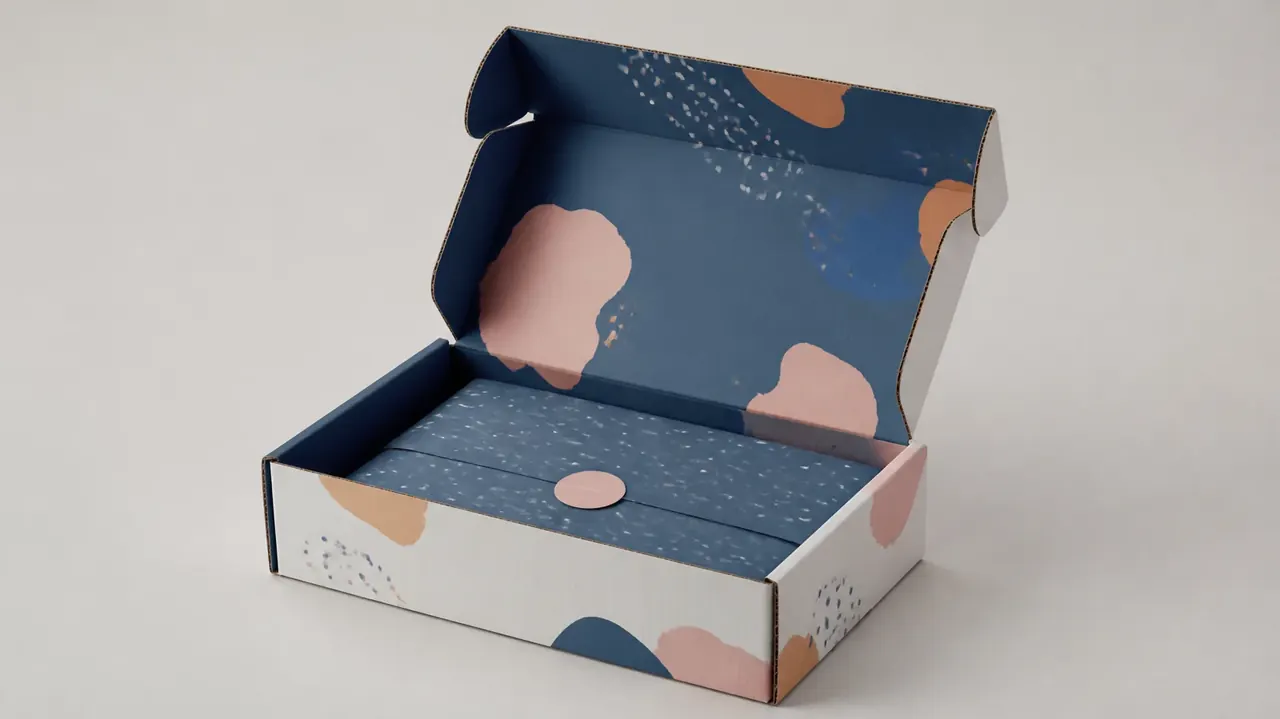
- Premium packaging
- Covers and slipcases
- Labels and invitations
Tips for your request
- Prepare a dedicated vector file for the embossing, with the relevant areas in 100% black.
- Choose thick, soft papers: embossing stands out best on uncoated papers of a good weight.
- Bear in mind that the back of the sheet shows the reverse impression of the embossing.
Frequently asked questions
What is the difference between embossing and debossing?
Embossing pushes the paper upwards; debossing presses it downwards.
Is colour needed?
No, blind embossing creates an elegant, purely tactile effect; it can, however, be registered to print or foil.
Who makes the dies?
Usually the finishing specialist or an engraver; the cost of the die depends on its complexity and number of levels.